In Houston, heat and humidity can turn a system failure into a safety issue fast, especially when your equipment is running hard for months at a time. Emergency HVAC calls in Houston usually happen when your AC quits completely, airflow drops suddenly, you smell burning, or an electrical fault threatens the system. These situations can raise indoor temperatures quickly, strain vulnerable family members, and cause property damage if ignored.
We help you recognize true emergencies, take safe first steps, and get professional support before a minor issue becomes a costly breakdown.
Emergency HVAC in Houston, TX: When You Need Professionals
Houston’s cooling season stretches far beyond summer. From early spring through fall, HVAC systems often operate almost nonstop. That constant operation, combined with high humidity, accelerates wear of compressors, blower motors, coils, and electrical components. Moisture buildup increases mold risk, clogged condensate drains, and corrosion inside the system.
Power instability is another regional factor. Storms, lightning, and grid stress can cause voltage spikes that damage control boards, capacitors, and wiring inside HVAC units. When those failures happen during peak heat, indoor conditions can reach dangerous levels within hours, especially for seniors, children, or anyone with respiratory or cardiac conditions.
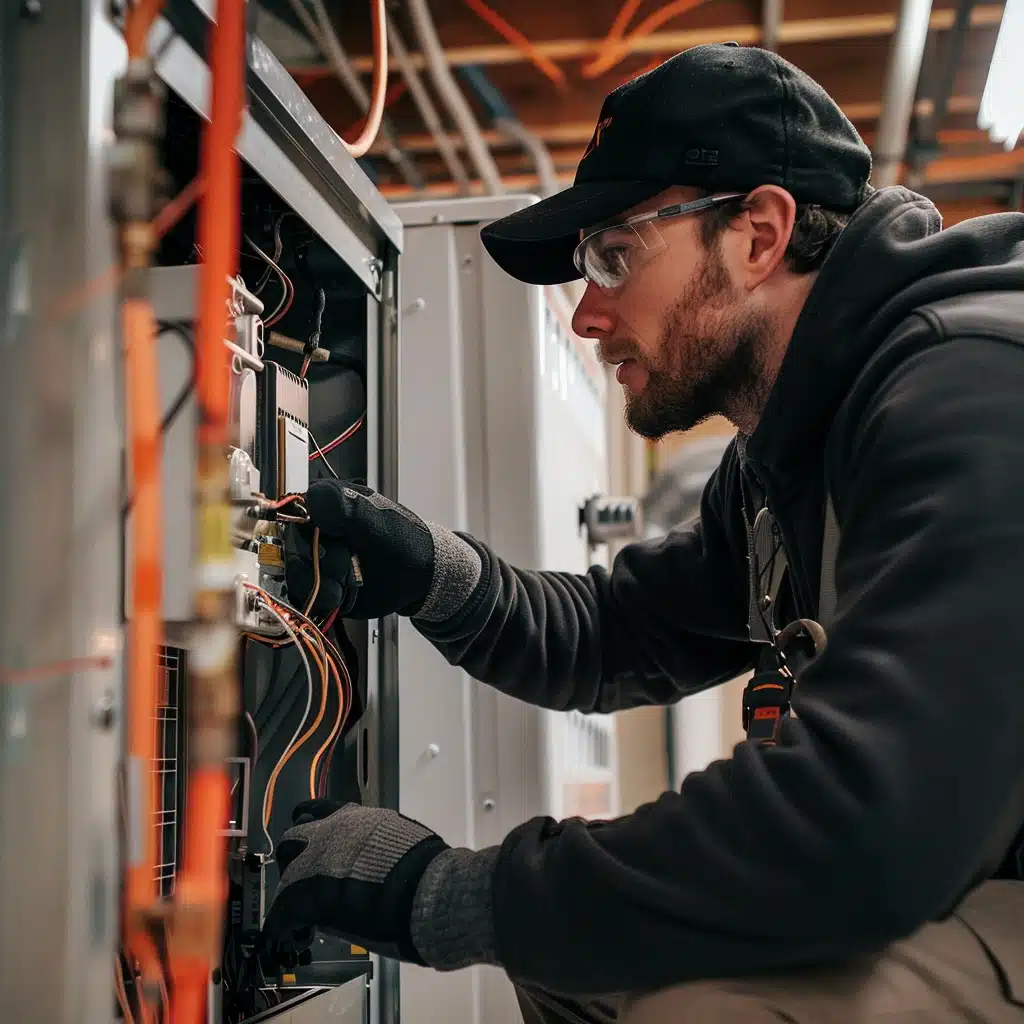
Professional emergency HVAC technicians approach these situations methodically. Diagnostics typically include electrical testing, refrigerant pressure checks, airflow measurement, condensate drainage inspection, and safety verification before any repair begins. This is where training and local experience matter.
As seen in a Google review from Mar, the Gaitz HVACR team responded quickly to an AC issue and did more than restore cooling. Mar noted that “They not just only fix the problem but guide you on how to keep your AC 100%.” That kind of clarity and follow-through is critical during an emergency.
Common HVAC Emergencies in Houston
Houston’s climate exposes HVAC systems to extreme heat, humidity, and frequent electrical stress. Below are the most common HVAC emergencies we see at Gaitz HVACR, along with what to do immediately, when to request Houston urgent HVAC repair, and why professional service is critical.
Complete AC failure during peak summer heat
- We regularly respond to calls where an AC system shuts down in the middle of a heatwave due to compressor burnout or an electrical failure inside the unit. Indoor temperatures can rise quickly, creating real health risks.
- What to do now: Turn the thermostat off, ventilate the space if outdoor conditions allow, and call a 24-hour HVAC service in Houston.
- Why professionals matter: Diagnosing whether the failure is mechanical or electrical requires proper testing. Incorrect resets or DIY attempts can damage compressors and void warranties.
Refrigerant leak or low refrigerant charge
- A common Gaitz HVACR service call involves homes that feel humid and never quite cool down, even though the system runs nonstop. This often traces back to a refrigerant leak.
- What to do now: Avoid DIY refrigerant products. These are illegal to use without certification and can harm the system.
- Why professionals matter: EPA-certified technicians locate and repair leaks, restore proper charge, and ensure safe, compliant operation.
Clogged filters, poor airflow, or duct problems
- We frequently see frozen coils and overheating blower motors caused by restricted airflow from dirty filters or duct issues.
- What to do now: Replace filters regularly, every one to two months during heavy use. If cooling remains uneven, stop the system and call for service.
- Why professionals matter: Airflow testing and duct inspection prevent long-term damage and restore balanced cooling.
Electrical component failure inside the HVAC unit
- Failed capacitors, motors, or wiring are a serious hazard and a common emergency call.
- What to do now: Shut off power to the unit at the breaker or disconnect and call a licensed technician.
- Why professionals matter: HVAC electrical components must meet safety codes. Improper wiring repairs increase fire risk.
Storm-related damage and power surges
- After Houston storms, we often inspect systems affected by voltage spikes or outdoor unit damage.
- What to do now: Visually inspect for obvious damage and avoid restarting the system until it is checked.
- Why professionals matter: Surge damage is not always visible and can cause delayed failures if left unaddressed.
Humidity, condensation, and drainage failures
- Clogged condensate lines can cause water leaks, ceiling damage, and mold growth.
- What to do now: If water is leaking, shut the system off and request immediate inspection.
- Why professionals matter: Proper drainage repair protects indoor air quality and prevents structural damage.
Sudden heating failure during cold snaps
- Though rare, unexpected heating failures occur during Houston cold fronts or transitional seasons.
- What to do now: Avoid DIY furnace or heat-pump repairs and call for professional service.
- Why professionals matter: Heating components involve electrical and gas connections that require trained inspection to ensure safety.
Why Reliable Professional Help Matters
- Local Houston know-how: We understand the heat, humidity, storm patterns, and common failure points that show up here.
- Safer, code-compliant repairs: Proper electrical connections, grounding, and refrigerant handling reduce fire risk and prevent repeat breakdowns.
- Accurate diagnosis (not guesswork): Pros test components, airflow, and controls so the real problem gets fixed, not just the symptom.
- Prevents bigger damage: Early correction of leaks, drainage issues, and electrical faults protects your equipment and your home.
- Better efficiency and lower bills: Correct charge, airflow, and tuning help the system cool faster and run less.
- Warranty and documentation: Professional service records help protect manufacturer warranties and support insurance claims after storms.
When to Call Emergency Electricians in Houston
Electrical systems power everything from lighting to HVAC controls. When electrical faults occur, they often disable cooling or heating entirely. Faulty wiring and overloaded circuits remain leading causes of residential fires in the United States, and Houston homes face added stress from humidity, storms, and aging infrastructure.
Older properties may have undersized panels, outdated wiring, or inadequate grounding. Modern codes, such as the National Electrical Code, are designed to reduce these risks through proper circuit protection, grounding, and surge mitigation.
According to the National Fire Protection Association, “the NEC establishes minimum safety standards to protect people and property from electrical hazards.” (Source: NFPA 70 National Electrical Code)
Professional emergency electricians diagnose issues using thermal imaging, load calculations, grounding tests, and panel inspections to identify hazards safely.
A Google review from Chukwudi Adigwu highlights why this matters. Chukwudi described how Carlos and Chris carefully diagnosed HVAC system issues for a venue space, explaining each step clearly and completing the work efficiently. He emphasized feeling confident in the diagnosis and appreciated the reasonable pricing and warranty coverage. That same diagnostic discipline applies when electrical faults threaten HVAC operation.
Common Electrical Emergencies in Houston
- Sparking outlets or frequent breaker trips. Stop using the circuit and call a licensed emergency electrician immediately.
- Power surges damage appliances or HVAC units. Unplug sensitive electronics and have both electrical and HVAC systems inspected before restarting.
- Partial power loss in the home. If neighbors have power, the issue may be internal wiring or panel failure.
- Burning smells or hot panels. Shut off power at the breaker and evacuate if necessary before calling HVAC emergency services in Houston.
- Missing GFCI or AFCI protection. Older homes often lack required safety devices and should be upgraded promptly.
- Storm or flood-related wiring damage. Moisture degrades insulation and connections, requiring full inspection and replacement.
- Electrical overload from new equipment. Adding HVAC systems or appliances without panel upgrades can overtax circuits.
Choosing the Best 24-Hour HVAC and Electrical Services in Houston
When emergencies strike, response time and competence matter. Look for providers who are local, licensed, insured, and experienced with Houston’s climate challenges. True 24-hour availability is essential since failures often occur at night, during storms, or on holidays.
Verify certifications, compliance with NEC requirements, and the use of modern diagnostic tools. Reliable companies focus on root-cause repairs, not just temporary fixes, and provide documentation that protects warranties and insurance claims.
Reputation matters. A Google review from David Moore illustrates long-term reliability. David shared his experience with a full HVAC replacement, noting the professional consultation, high-quality installation of a multi-zone Daikin Fit system, and noticeable improvements in comfort and air quality. He also highlighted a thorough follow-up service. Consistency across both emergency repairs and major installations signals a provider you can trust when problems arise.
Need It Fixed Now? Get 24/7 Repair for Electrical and HVAC Breakdowns
We have spent years serving Houston’s residential and commercial properties with licensed, insured HVACR technicians and electricians who understand local weather, grid conditions, and building standards. Our team uses advanced diagnostic technology, delivers transparent pricing, and performs code-compliant repairs designed to last.
We handle emergency HVAC calls, electrical failures, system upgrades, and preventive maintenance for homes and businesses in Houston. Learn more about our residential and commercial HVACR services.
If you need immediate help or want to schedule service on your terms, call us at 832-864-8818 or request a consultation. You can also learn more about our background and service history on our About page.
FAQs
What qualifies as an HVAC emergency in Houston?
Any failure that leaves your home without cooling during extreme heat or creates an electrical or water damage risk should be treated as an emergency.
Is it safe to run my AC after a power surge?
No. Surges can damage internal components, so professional inspection is recommended before restarting.
How fast should an emergency electrician respond?
A reputable emergency service should offer same-day or immediate response, especially for fire or safety hazards.
Can humidity alone damage HVAC systems?
Yes. High humidity accelerates corrosion, mold growth, and drainage failures when not properly managed.
Do emergency repairs affect system warranties?
Professional, documented repairs typically protect warranties, while DIY work can void them.